
Gym Locker Rooms: Lockers, Hygiene and Lost Property
Gym locker room management for Indian gyms: choosing lockers, rental pricing, fungal hygiene, safe geysers, no-CCTV privacy rules and a lost property policy.
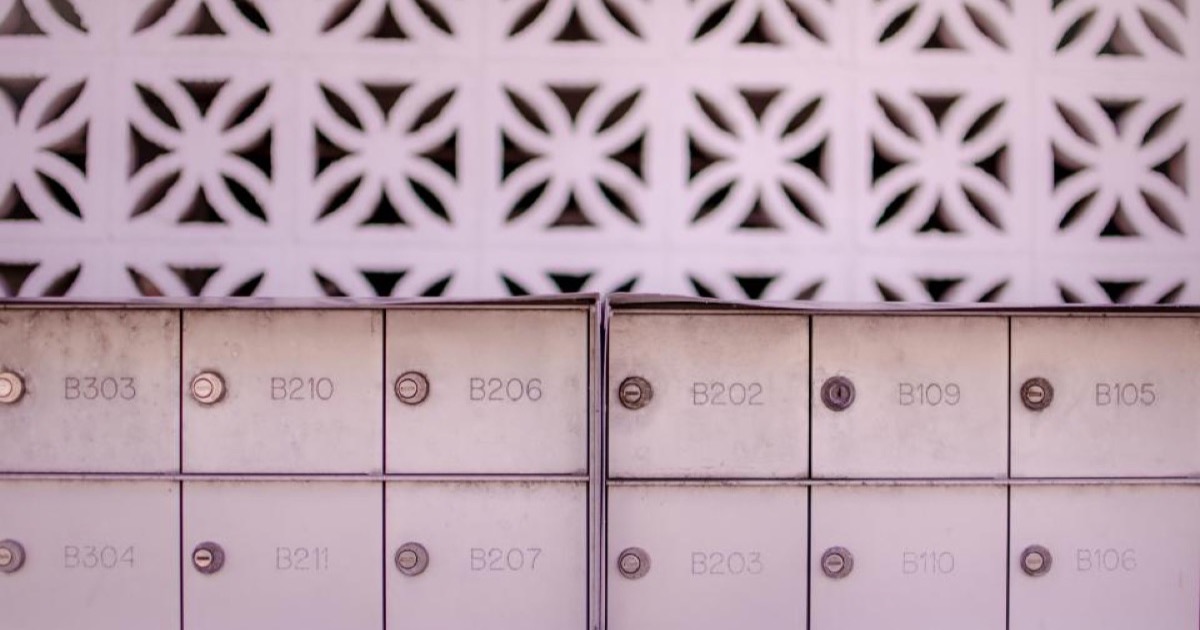
Good gym locker room management comes down to four things: lockers members can trust, a changing area that is cleaned and dried several times a day, showers that are electrically safe and can't scald, and written rules for lost property and abandoned lockers. None of it needs a big budget. It needs a routine, a logbook and a couple of policies that staff actually follow.
A damp floor, a broken locker or a missing phone does more damage to your reviews than an old treadmill ever will.
Which type of locker should a gym use?
There are four common set-ups. Most small gyms mix two of them.
| Locker type | How it works | Pros | Cons |
|---|---|---|---|
| Key lock | Member takes a key (often on a wrist band) from the desk or the locker | Cheap, simple, no batteries | Keys get lost or taken home; a master key is a security risk if it isn't controlled |
| Mechanical combination | Member sets a 3 or 4 digit code | No keys to lose | Members forget codes; cheap dials can be guessed or forced |
| Digital PIN (battery or wired) | Member sets a PIN on a keypad | Easy reset by staff, some log openings | Higher cost, batteries die, keypads hate damp rooms |
| Bring your own padlock | Locker has a hasp, member brings a lock | Lowest cost for you, member controls the lock | Abandoned locks, cutting locks, uneven lock quality |
A few practical points:
- Buy for damp air. Powder-coated steel or HPL (high-pressure laminate) panels cope better with humidity than plain sheet metal or MDF.
- Control the master key. Keep one master in a locked box with a sign-out sheet.
- Size the count to your peak, not your membership. Use the gym capacity calculator to estimate your peak-hour headcount, then plan lockers around that number split between the men's and women's sides.
For placing changing rooms, see how to lay out a small gym.
Should you charge for rental lockers?
Rental lockers (a member keeps one locker for a month or a year) are a small, steady add-on. Keep them separate from day-use lockers.
A hypothetical: you have 40 lockers set aside for rental and charge ₹250 a month as an add-on to the membership. If 24 are rented (60%), that's 24 × ₹250 = ₹6,000 a month, or ₹72,000 a year. Add that line to the gym profit calculator and see what it does to your break-even.
If you rent lockers:
- Write the rental terms on the receipt: locker number, start and end date, what happens if it lapses.
- Keep a rental register (locker, member, phone, expiry) and remind members before it lapses.
How do you keep a locker room hygienic?
Damp floors are the main problem. The CDC lists bare feet in locker rooms and contact with contaminated surfaces like locker room floors among the ways ringworm (tinea, which includes athlete's foot) spreads, and says athletes have a higher risk because of sweating and shared equipment. The American Academy of Dermatology explains that most people pick up athlete's foot by walking barefoot in moist public places and tells people to wear shower shoes or flip-flops around gym showers and locker areas.
So keep floors clean, dry and slipper-friendly:
- Ventilation first. An exhaust fan in every shower and toilet area, running through the day, does more than any chemical.
- Squeegee and mop several times a day, not just at opening.
- Signage: "Please wear slippers in the shower area."
- Soap at every sink and shower. CDC's guidance for athletic facilities asks for soap in showers and at sinks and for shared surfaces to be cleaned regularly.
- High-touch points: locker handles, keypads, door handles, taps and hair-dryer switches go on the twice-daily wipe list.
Our gym cleaning checklist has the full daily, weekly and monthly routine with a sign-off sheet, including the locker room.
How do you make showers and geysers safe?
Electrical safety
The CEA (Measures relating to Safety and Electric Supply) Regulations, 2023 (regulation 44) require electrical installations to be controlled by a residual current device (RCD) that cuts supply when it detects leakage, with a limit of 30 milliamperes specified for domestic installations. CEA has since issued amendments, so ask a licensed electrician to confirm what applies to your premises. In practice:
- Put geysers and any socket near the wet area on an RCD-protected circuit and press the test button monthly.
- Make sure every geyser is properly earthed.
- Keep switches and sockets out of splash zones.
Scald prevention
The US Consumer Product Safety Commission recommends setting water heaters to about 49°C (120°F) to reduce the risk of tap-water scalds. At the same time, WHO advises keeping hot water above 50°C, with water leaving the heater at 60°C or more, to control Legionella bacteria in large systems.
Those pull in opposite directions. For a central heater or solar system, a thermostatic mixing valve near the showers keeps the tank hot while capping shower temperature; ask your plumber. For small geysers, set the thermostat sensibly and add a "Hot water: test before use" sign.
Where can you put CCTV near changing rooms?
Outside, never inside. Section 77 of the Bharatiya Nyaya Sanhita makes it voyeurism to watch or capture the image of a woman in a place where she would expect privacy, including where she is undressed or using a lavatory. A first conviction carries one to three years in prison. There is no security exception.
The safe set-up:
- Camera on the corridor or door leading into the changing area, so you can see who went in and when.
- No cameras inside changing rooms, shower areas or toilets, on either the men's or women's side.
- A notice saying where cameras are, and a "no phone photography" sign inside.
Staff should knock and announce before entering for cleaning, and the women's changing room should be cleaned by a woman staff member or when it's empty. More on this in our guide to making a women-friendly gym.
What should a lost property policy include?
Under section 71 of the Indian Contract Act, 1872, a person who finds goods and takes them into custody has the same responsibility as a bailee, which under section 151 means taking the care a reasonably prudent person would take of their own goods. And under section 314 of the BNS, keeping found property is an offence if you know or could find the owner, or haven't made reasonable efforts to trace them. Once staff pick something up, you are looking after it.
A simple policy:
- Log every item the same day: date, time, where found, description, who found it. Number each entry.
- Store valuables separately. Phones, wallets, cards, jewellery and IDs go in a locked drawer, not the open lost-and-found box.
- Try to reach the owner. Check your member list if there's a name, a gym card or a known face.
- Hand over against proof (a description, or opening the phone in front of you), and log the claimant's name, phone and signature.
- Set a hold period. For example, 30 days for clothes and bottles, after which they are donated, with that rule shown on a notice. For valuables nobody claims, consider handing them to the local police station and noting it in the log.
The "not responsible for valuables" notice
Put up a notice, and add a belongings clause to your membership agreement. It sets expectations. But understand its limits:
- Under the Consumer Protection Act, 2019, "deficiency" in service includes any act of negligence that causes loss or injury to the consumer. If a theft happened because a locker you knew was broken stayed in use, or the master key was lying at the desk, a sign won't change that.
- The same Act lets consumer commissions declare unfair contract terms void, and a blanket "we are responsible for nothing, ever" line is the kind of term that gets challenged.
So keep the notice honest and specific (lock valuables or keep them with you, report losses at once), run the lockers well, and have a lawyer check the wording.
How do you prevent theft?
- Fix broken lockers the same day or mark them out of order.
- Control and log the master key.
- CCTV at the changing room entrance helps establish who went in.
- Remind members to lock up even for a quick set, and not to leave bags on benches.
- Log theft complaints with date and locker number.
When can you cut a lock on an abandoned locker?
Only under a written policy members agreed to, and only with a record.
- Put the rule in writing first: day lockers are emptied at closing; rental lockers are cleared a stated number of days after expiry.
- Give notice: a tag on the locker and, for rentals, a message to the member.
- Cut with two staff present, ideally a manager and one other person.
- Photograph the contents before touching them, then list each item on an inventory sheet that both staff sign.
- Bag, label and store the contents with the inventory, and treat them as lost property from that day.
This protects the member and your staff.
Accessibility: do you need an accessible changing room?
India's Harmonised Guidelines and Standards for Universal Accessibility, 2021 list neighbourhood gyms under sports buildings, and say at least one changing room and shower room should be accessible wherever such facilities are provided. For accessible changing rooms in shops, the same chapter describes a 900 mm clear door, 1,500 mm turning space, a fold-down seat with backrest and clothes hooks no higher than 1,200 mm. Useful numbers for a gym too, along with a few low-level lockers.
Should you provide towels?
| Option | Cost to you | Notes |
|---|---|---|
| Members bring their own | Nil | Simplest; put "bring a towel" in the welcome message |
| Paid towel service | Laundry plus towel stock | Small add-on fee; needs tracking of towels out and in |
| Towels in premium plans | Built into price | Good perk for higher plans |
If you supply towels, follow the CDC's advice for athletes: towels should not be shared, and should be washed and dried completely in a dryer, not hung to air-dry, after each use.
The short version
- Free day-use lockers, sized to peak headcount; rental lockers kept separate
- Master key in a locked box with a sign-out sheet
- Exhaust fans running; floors squeegeed and mopped several times a day
- "Wear slippers in the shower" and "No photos in changing rooms" signs
- Geysers and wet-area sockets on an RCD circuit, test button pressed monthly
- Shower water capped at a safe temperature (mixing valve or thermostat)
- CCTV at the entrance only, never inside; notice posted
- Lost property log, locked drawer for valuables, hold period on a notice
- Written lock-cutting rule, two-staff witness, photographed inventory
- Belongings clause and valuables notice checked by a lawyer
- At least one accessible changing room and shower
- Towel policy decided and written in the welcome message
Useful links
- CDC: Ringworm risk factors and spread
- AAD: How to prevent athlete's foot
- CDC: MRSA in athletic facilities
- CEA Safety Regulations, 2023
- US CPSC: Tap water scalds
- WHO: Legionellosis fact sheet
- Bharatiya Nyaya Sanhita, 2023 (sections 77 and 314)
- Indian Contract Act, 1872 (sections 71 and 151)
- Consumer Protection Act, 2019
- Harmonised Guidelines for Universal Accessibility, 2021
Cover photo: Locker Cabinet by Jerry Kiesewetter, CC0, via stocksnap.
Frequently asked questions
Are gym owners responsible if something is stolen from a locker?
It depends on the facts. A written notice saying the gym is not responsible for valuables helps set expectations, but it does not protect you if the loss happened because of your negligence, such as broken locks you knew about or staff handing out master keys. Under the Consumer Protection Act, 2019, negligence that causes loss counts as a deficiency in service, so check your wording with a lawyer.
How long should a gym keep lost property?
No law sets a fixed number of days, so pick one and write it down. Many gyms keep ordinary items like bottles and clothes for about 30 days, and hand phones, wallets, ID cards and jewellery back only after checking ownership. Whatever you choose, log each item and make a real effort to reach the owner first.
What temperature should gym shower water be?
Hot enough to be comfortable, not hot enough to scald. The US Consumer Product Safety Commission recommends about 49°C (120°F) at the tap to cut scald risk, while WHO advises keeping stored hot water hotter to control Legionella. A thermostatic mixing valve lets you do both: hot in the tank, safer at the shower.
Can I install CCTV in a gym changing room for security?
No. Watching or recording a woman where she is undressed or using a toilet is voyeurism under section 77 of the Bharatiya Nyaya Sanhita, and there is no security exception. Put cameras on the entrance to the changing area, never inside it, and treat men's changing rooms the same way.